Endometrioma and Fertility: Surgery or IVF Based on Age and AMH
EndoGlobal team3 min read
Endometriomas are ovarian cysts caused by endometriosis and can significantly impact fertility. Their presence suggests that the ovary has been affected and that there may be deeper pelvic disease. In this article, we’ll explore how endometriomas are diagnosed, when they should be treated, and what options exist for women with different ages and ovarian reserve levels.
What Is an Endometrioma?
An endometrioma is a cyst formed when endometrial tissue (which normally lines the uterus) grows within the ovary. It creates a thick, dark fluid that gives it the nickname “chocolate cyst.” These cysts can affect ovarian function, egg quality, and pelvic anatomy.
Diagnosis: More Than Just an Ultrasound
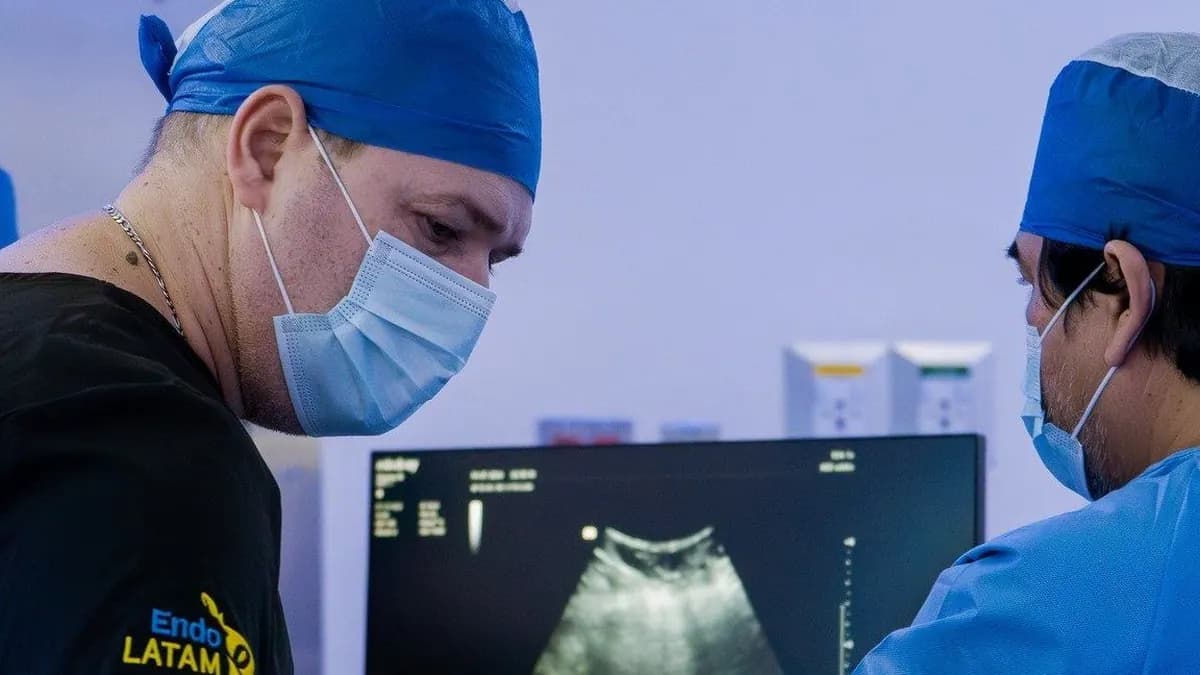
The initial diagnosis is made through specialized transvaginal ultrasound.
For complex cases or before surgery or fertility treatment, endometriosis mapping by imaging is recommended, either via advanced ultrasound or MRI with an endometriosis protocol.
Important: every endometrioma must be thoroughly investigated. Its presence requires ruling out deep infiltrating endometriosis in the following areas:
- Bladder
- Ureters
- Rectovaginal septum
- Uterosacral ligaments
- Colon and rectum
This comprehensive diagnosis allows better planning and helps avoid unnecessary surgeries while protecting fertility.
Ovarian Reserve Evaluation
It’s essential to evaluate ovarian reserve with anti-Müllerian hormone (AMH) testing and antral follicle count (AFC) via ultrasound. These markers help determine how many eggs are available and guide decisions regarding IVF or fertility preservation.
Common Clinical Scenarios
Women Under 35 With Normal Ovarian Reserve
- Diagnosis: endometrioma, normal AMH.
- Plan: if there is no pain or urgent need for surgery, consider egg or embryo freezing and IVF without prior surgery.
- Avoid surgery unless absolutely necessary, as it may harm ovarian tissue.
Women Under 35 With Low Ovarian Reserve
- Diagnosis: endometrioma and low AMH.
- Plan: act quickly. Prioritize IVF with embryo freezing or oocyte vitrification before further decline.
- Surgery only if essential.
Women Over 35 With Good Ovarian Reserve
- Diagnosis: endometrioma and stable AMH.
- Plan: begin reproductive treatment without delay, as age affects egg quality.
- Embryo freezing is a strong option if pregnancy is not desired immediately.
Women Over 35 With Low Ovarian Reserve
- Diagnosis: endometrioma, low AMH and advanced age.
- Plan: go directly to IVF.
- Consider egg donation in case of very poor ovarian response.
- Surgery only if strictly indicated.
When Should an Endometrioma Be Surgically Removed?
Surgery is recommended only in select situations:
- Severe, persistent pelvic pain
- Endometriomas larger than 4–5 cm that affect ovarian stimulation
- Significant anatomical distortion
- Suspicion of malignancy
Fertility preservation (eggs or embryos) should always be considered before surgery, as ovarian surgery can reduce reserve even in skilled hands.
IVF and Assisted Reproduction
In vitro fertilization (IVF) is often the most effective treatment for women with endometriomas, especially when:
- Ovarian reserve is low
- Age is over 35
- Previous treatments have failed
- Pelvic anatomy is distorted
In some cases, egg retrieval can be performed from the unaffected ovary to avoid puncturing the endometrioma.
Fertility Preservation: A Preventive Strategy
For young women, whether or not they have a partner, fertility preservation through egg vitrification or embryo freezing is essential when:
- Bilateral endometriomas are present
- Prior ovarian surgery has occurred
- AMH levels are declining
- Pregnancy is planned for the future
Final Thoughts
The management of endometriomas must be personalized, timely, and evidence-based. Age, ovarian reserve, and reproductive goals determine whether to preserve, treat, operate, or stimulate.
At EndoGlobal, we combine expert care, advanced diagnostics, and human-centered support to help you protect your fertility and make empowered decisions.
You can book a consultation with our team for a full fertility evaluation.