
- Professional services
- 5-Star
- Bowel surgeries
- 1,000+
- Complex endometriosis surgeries
- 4,000+
- Endometriosis mappings
- 60,000+
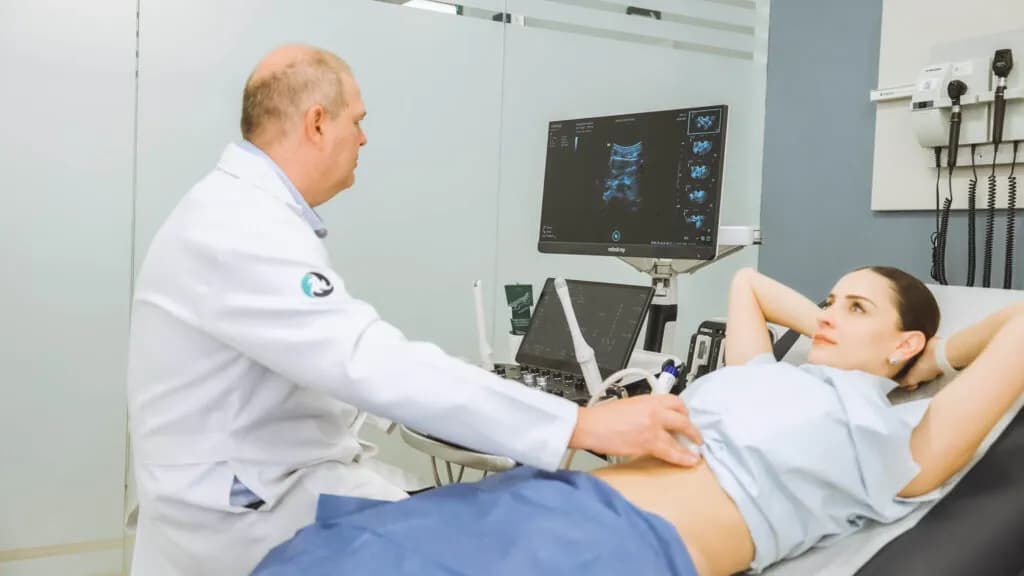
Endometriosis can take years to diagnose, and many people hear that “everything looks normal” while the pain continues. Endomapping is an endometriosis mapping exam: it uses imaging to look for the disease, record where each lesion is and give your specialist a map to plan treatment.
Our specialist
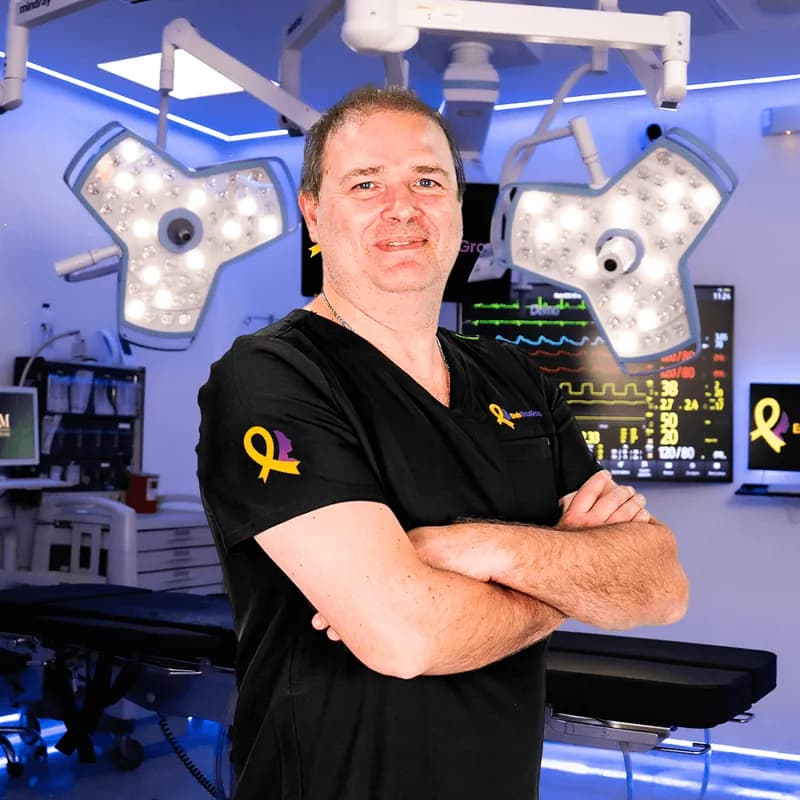
Endomapping with Dr. Carlos Trippia
Dr. Carlos Trippia is a radiologist whose practice centers on women's imaging, with a primary focus on the diagnosis of endometriosis. He coordinates women's imaging at hospitals in Curitiba, Brazil, and has co-authored 20 scientific publications, many of them on endometriosis imaging.
He comes to Tijuana on scheduled dates to perform Endomapping. Our team tells you the next available dates when you book.
Who it is for
Who the exam is for
The exam is meant for people with symptoms that suggest endometriosis but no clear diagnosis, such as:
- Intense menstrual pain (dysmenorrhea).
- Pain during intercourse (dyspareunia).
- Chronic pelvic pain.
- Difficulty getting pregnant (infertility).
- Changes in urinary or bowel habits, or pain during bowel movements during your period.
- Discomfort when urinating.
What it includes
What the exam includes
Specialized pelvic ultrasound
With prior bowel preparation, performed under a specific protocol to look for adhesions and deep lesions.
MRI with an endometriosis protocol
Magnetic resonance imaging under a specific endometriosis protocol, with an additional cost for its review.
Radiologists who focus on endometriosis
They analyze your images, instead of a general reading.
What the mapping can show
The exam looks for adhesions and endometriosis lesions in the pelvic organs, such as the ovaries, fallopian tubes, intestines and bladder, and in areas outside the pelvis, such as the diaphragm and the abdominal wall.
With a map of where the lesions are, your surgeon or treating physician can plan the next step, and a precise diagnosis can help avoid surgeries that are not needed. When surgery is the right option, the map is used to plan excision surgery. Our blog explains how imaging maps endometriosis before surgery.
Step by step
How the process works
- 1Book your appointment online or on WhatsApp.
- 2Receive the preparation instructions, with the bowel preparation and dietary recommendations that help improve image quality.
- 3Have the exam with specialists in endometriosis diagnosis.
- 4Get your results: radiologists who focus on endometriosis analyze the images and prepare your report.
- 5Consult with a specialist to review the findings and decide on the treatment that fits your case.
Frequently asked questions
Can endometriosis mapping replace laparoscopy?
In many cases, the mapping can show endometriosis lesions without surgery, which helps decide whether an operation is needed and how to plan it. In some cases, the specialist may still recommend a complementary evaluation.
Is the exam painful?
It is an outpatient imaging exam with no incisions. If you feel discomfort at any point, tell the specialist.
How should I prepare for the exam?
Before your appointment, you receive detailed instructions for the bowel preparation, including dietary recommendations that help improve image quality.
How much does the exam cost?
The cost depends on the studies you need, and the MRI review has an additional cost. Our team gives you the exact amount and the payment options when you book.
When will I receive my results?
Radiologists who focus on endometriosis analyze your images and prepare a report. Our team tells you when to expect it when you book your exam.
What happens after the exam?
You review the results with a specialist, who explains the findings and recommends the treatment that fits your case.