
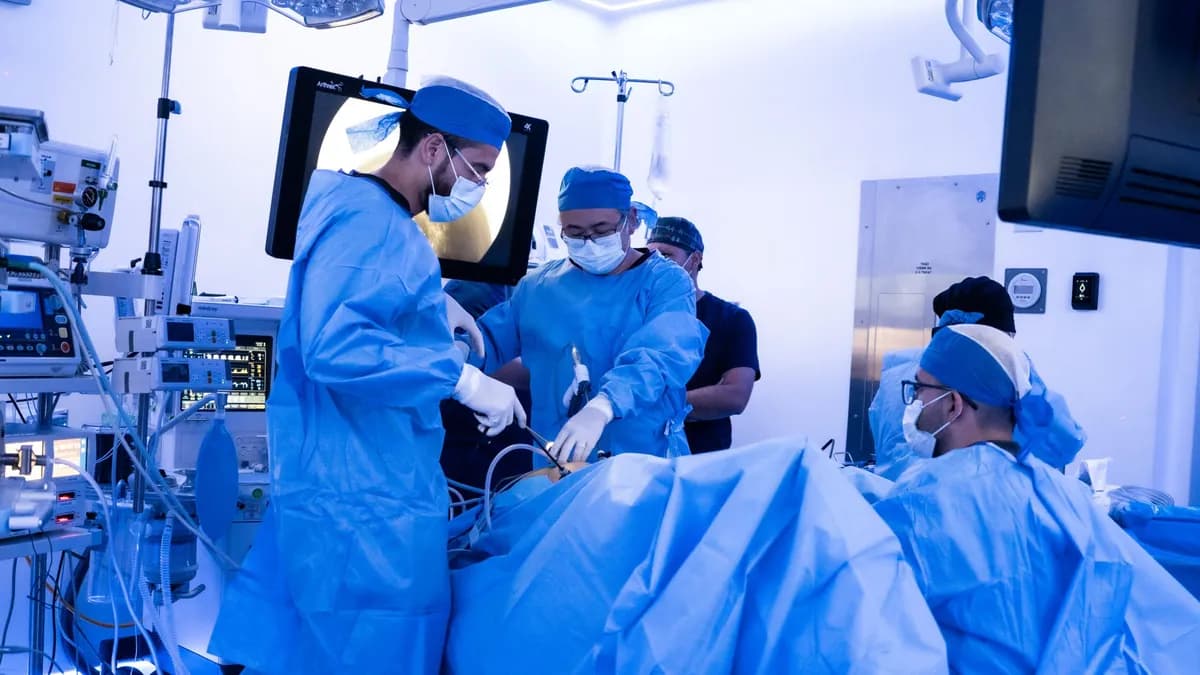
Excision surgery requires in-depth knowledge of pelvic anatomy, refined technical skills and coordination between specialties. Our surgical team works with a focus on precision, safety and long-term results. Using high-definition diagnostic imaging and microsurgical techniques, we aim to remove all endometriosis lesions, which can help reduce the risk of recurrence and improve quality of life.
Individualized Surgical Assessment
Each surgical plan is based on a rigorous, individualized assessment that includes:
- The ENZIAN classification system, used to stratify deep infiltrating endometriosis (DIE) by anatomical location and depth.
- Advanced diagnostic imaging, including transvaginal ultrasound with bowel preparation, high-resolution pelvic MRI and three-dimensional endometriosis mapping.
- Reproductive and endocrine factors specific to each patient, such as age, ovarian reserve (AMH levels and antral follicle count) and fertility preservation goals.
- Symptoms and disease burden, including dysmenorrhea (painful periods), dyspareunia (pain during intercourse), dyschezia (painful bowel movements) and chronic pelvic pain.
- Previous surgeries, to assess for residual or recurrent disease.
Surgical Approaches
Conservative Fertility-Sparing Surgery
This approach is indicated for patients of reproductive age who wish to preserve their fertility. It focuses on meticulous excision of endometriosis lesions while maintaining the integrity of vital reproductive structures.
- Cystectomy for endometriomas, preserving healthy ovarian cortex.
- Rectal shaving or discoid excision when bowel wall involvement is superficial or limited.
- Local excision of focal adenomyosis.
- Ureterolysis, preserving ureteral continuity when feasible.
Radical Surgery
Radical surgery is reserved for patients with no reproductive plans who have severe or extensive disease that has not responded to medical treatment.
Multiorgan and Extragenital Approaches
Endometriosis can extend beyond the reproductive tract. In these cases, surgery requires coordination between several surgical specialties.
Surgical Principles
- Advanced laparoscopy and microsurgical instrumentation.
- Nerve-sparing and fertility-preserving techniques considered in each surgical plan.
- Enhanced Recovery After Surgery (ERAS) protocols.
- Long-term clinical follow-up focused on symptom relief and on lowering the risk of recurrence.
Why Patients Choose Us
- A multinational patient base from Mexico, the United States, Canada and Europe.
- Diagnostic accuracy supported by multidisciplinary collaboration.
Our team has received formal training at centers in Europe, North America and Latin America, and is committed to ethical, compassionate and evidence-based care.